100% Beeswax
Because fresh citrus didn’t grow well across most of South Carolina—cold snaps kill citrus and only the immediate coast can manage it—any oranges or tangerines you saw at Christmas had been shipped in, making them rare and pricey in winter. Home & Garden Information Center+1
By the late 1800s a “Christmas orange” tradition had spread with stockings, so a single orange became a coveted holiday treat; in lean years like the Great Depression it was sometimes the only gift. Smithsonian Magazine+2Smithsonian Magazine+2
That mix of scarcity, seasonality and tradition is why a box of citrus felt like real holiday luxury in South Carolina. palmettobluff.com
In the port city of Charleston—fresh pineapples came from the Caribbean, were wildly expensive and perishable, and serving or even displaying one shouted, “you’re honored and welcome here.” That scarcity-plus-spectacle is how the fruit became shorthand for hospitality. Library of Congress Blog+1
A few Charleston-specific threads that cemented the symbol:
Port culture & lore. Captains sailing Caribbean routes supposedly set a pineapple outside the house to signal they’d returned safely and were receiving visitors—an enduring story (often told locally) that historians treat as legend more than proven fact. 6AM - CHStoday+1
Showpiece luxury. In the 1700s a single pineapple could cost a small fortune, and they were even rented as table centerpieces; offering some to guests telegraphed generosity and status. Mental Floss+1
Built into the city’s look. From door knockers to the Pineapple Fountain (1990) at Waterfront Park, the motif is everywhere, reinforcing the “welcome” message. SC Picture Project
Worth noting: the pineapple’s rise as a “welcome” icon also rode on Atlantic trade tied to plantation wealth and slavery—part of the fuller, complicated backstory behind the symbol in the Lowcountry. CEP
100% Beeswax
Because fresh citrus didn’t grow well across most of South Carolina—cold snaps kill citrus and only the immediate coast can manage it—any oranges or tangerines you saw at Christmas had been shipped in, making them rare and pricey in winter. Home & Garden Information Center+1
By the late 1800s a “Christmas orange” tradition had spread with stockings, so a single orange became a coveted holiday treat; in lean years like the Great Depression it was sometimes the only gift. Smithsonian Magazine+2Smithsonian Magazine+2
That mix of scarcity, seasonality and tradition is why a box of citrus felt like real holiday luxury in South Carolina. palmettobluff.com
In the port city of Charleston—fresh pineapples came from the Caribbean, were wildly expensive and perishable, and serving or even displaying one shouted, “you’re honored and welcome here.” That scarcity-plus-spectacle is how the fruit became shorthand for hospitality. Library of Congress Blog+1
A few Charleston-specific threads that cemented the symbol:
Port culture & lore. Captains sailing Caribbean routes supposedly set a pineapple outside the house to signal they’d returned safely and were receiving visitors—an enduring story (often told locally) that historians treat as legend more than proven fact. 6AM - CHStoday+1
Showpiece luxury. In the 1700s a single pineapple could cost a small fortune, and they were even rented as table centerpieces; offering some to guests telegraphed generosity and status. Mental Floss+1
Built into the city’s look. From door knockers to the Pineapple Fountain (1990) at Waterfront Park, the motif is everywhere, reinforcing the “welcome” message. SC Picture Project
Worth noting: the pineapple’s rise as a “welcome” icon also rode on Atlantic trade tied to plantation wealth and slavery—part of the fuller, complicated backstory behind the symbol in the Lowcountry. CEP


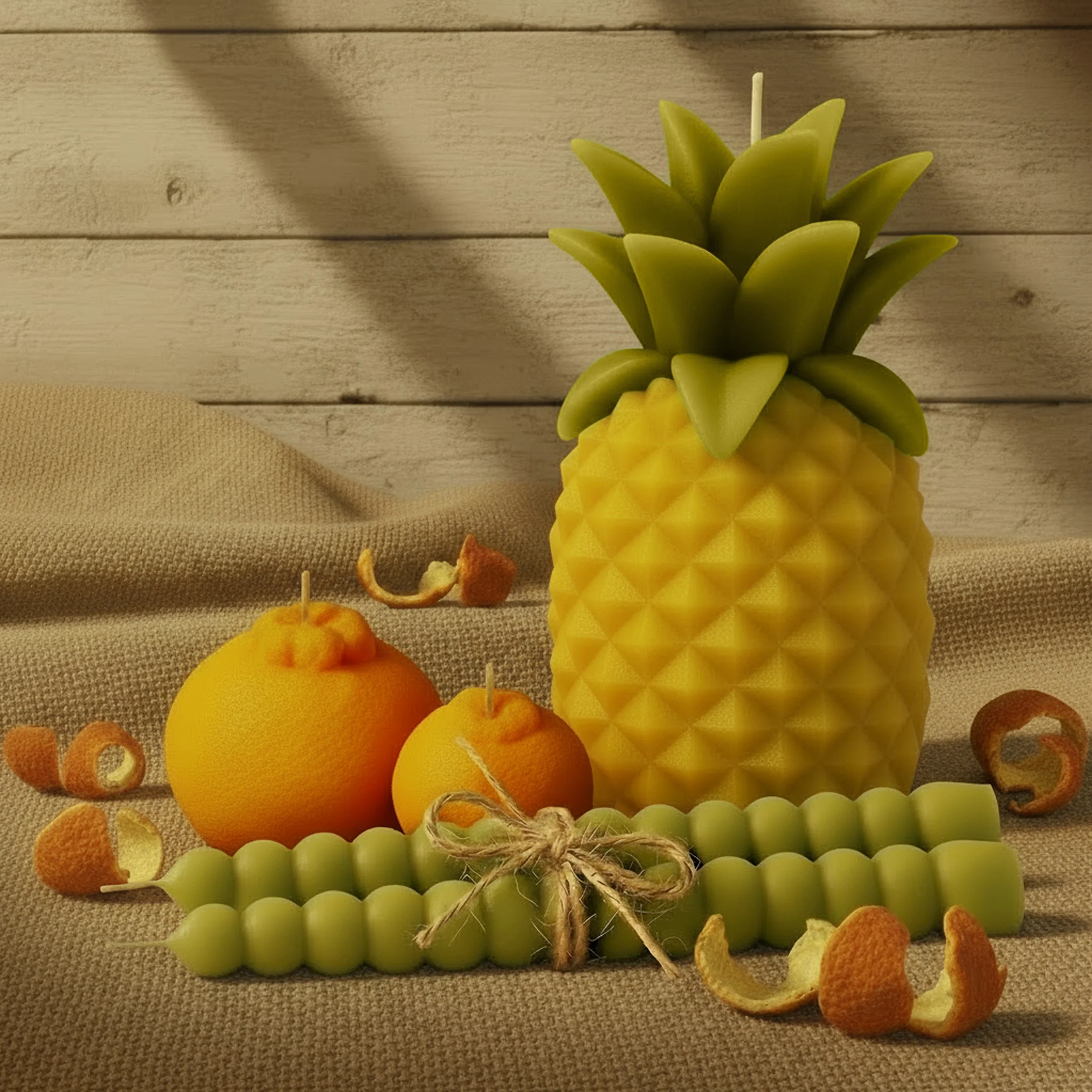 Image 1 of 1