

We missed the Labor Day delivery. Honey is slow.
It takes a lot of love and labor to bring the story of 1,500,000 flowers, a bee's whole life times 500, the sacrifice of a thousand stings, the beauty of the American landscape, a food supply that brings one-third of our food to the table, the farmers who tend the land, the beekeepers who tend those hives, and you - our customers, our champions and supporters - who brought Love A Bee from a dream into a real, live, break-even business that we are so proud of. We stuck to our values and the market responded.
We celebrate Labor Day - today and every day - because the labor never stops. The bees don't check the calendar. Neither do the beekeepers, the farmers, or the land. And neither should our gratitude. You made Love A Bee real. That deserves more than a single Monday in September.
A look back from 2013 to today — thank you to the customers who made Love A Bee real.
A Market Solution to an Ecological Problem
Love A Bee began as a response to a real problem: honey was being treated as a commodity at the same time beekeepers, bees, and pollinator-dependent agriculture were under growing pressure.
By helping you taste the difference between honeys, Love A Bee helped reveal what industrial markets often hide: biodiversity, beekeeper labor, land stewardship, and the true value of American honey.
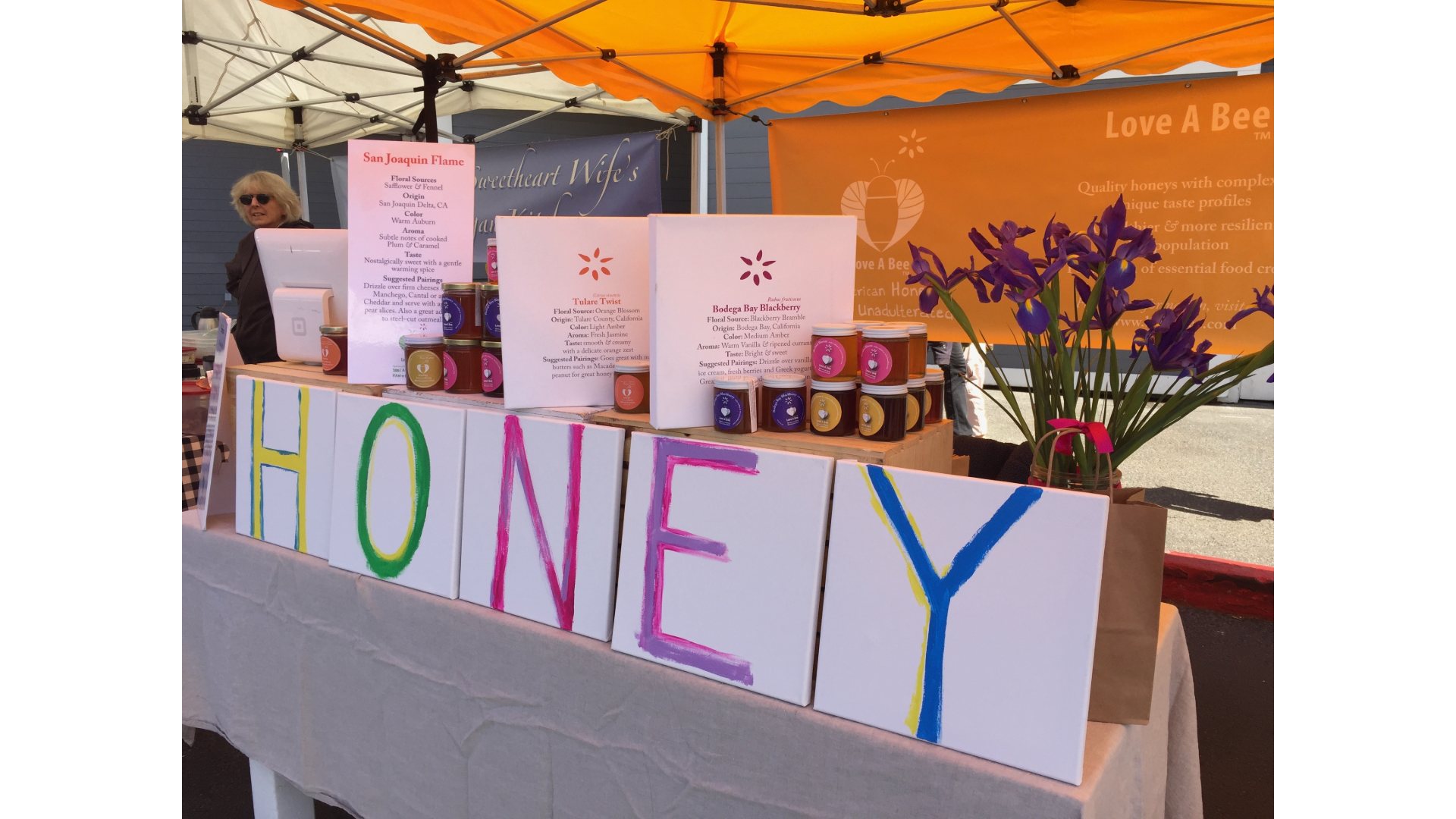
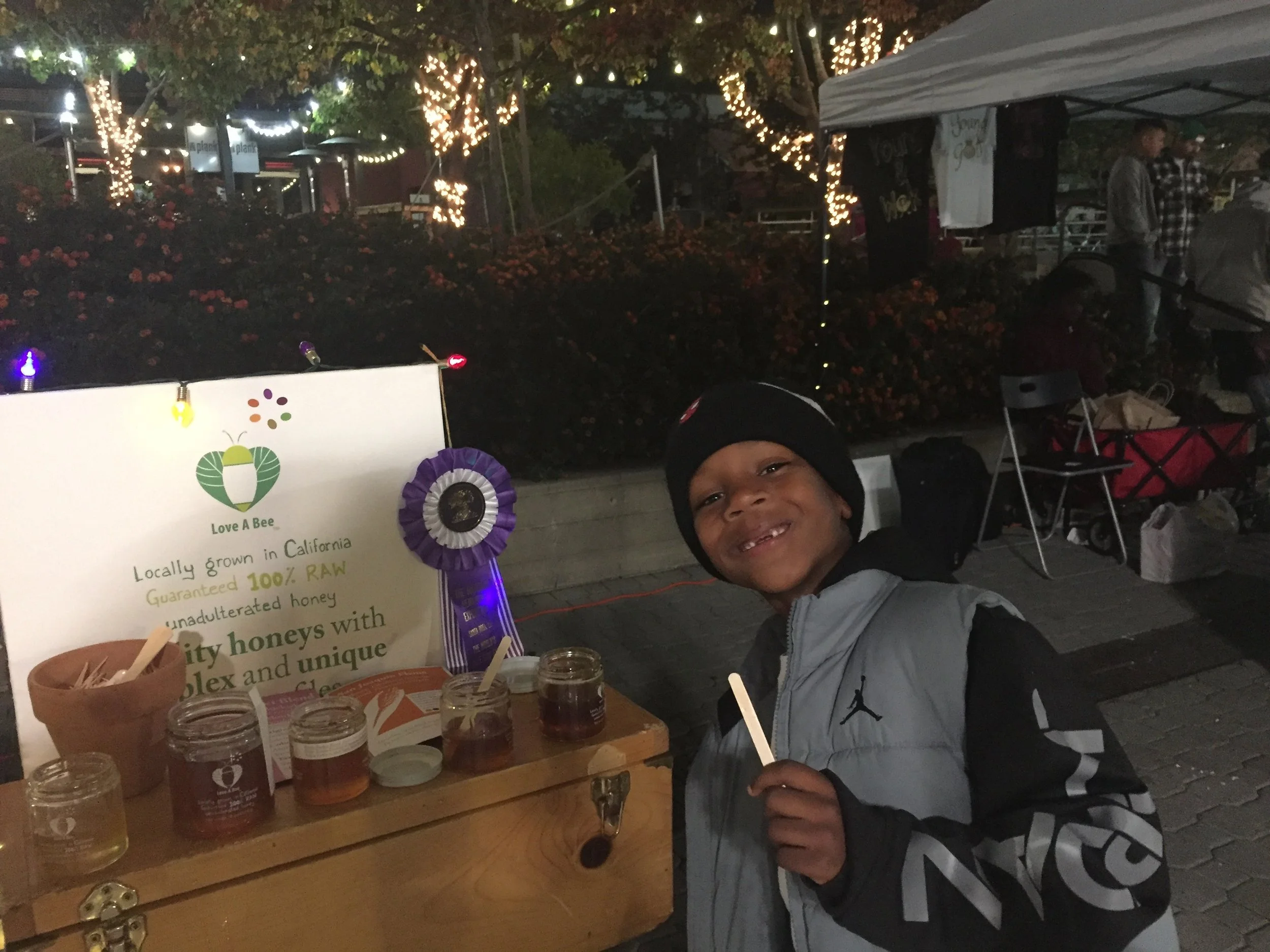
The Taste of Biodiversity
Honey carries the story of flowers, soil, weather, season, beekeeper labor, and place. Its color, aroma, and taste are evidence of biodiversity.